
Program Structure | Sessions | Schedule | What's Included | Financial Assistance | Accommodations and Tuition | Travel | Partners | Contact Us | Apply Now
2026 Pacific Northwest Field School
Ginkgo Petrified Forest State Park – Washington
The Pacific Northwest Preservation Field School (PNWFS) returns in 2026 with another immersive, hands-on program dedicated to exploring cultural landscapes and historic places across the region. For more than three decades, PNWFS has provided intensive field-based training that brings together participants from a wide range of backgrounds—students, craftspeople, preservation professionals, and lifelong learners—each united by a passion for heritage and place-based practice.
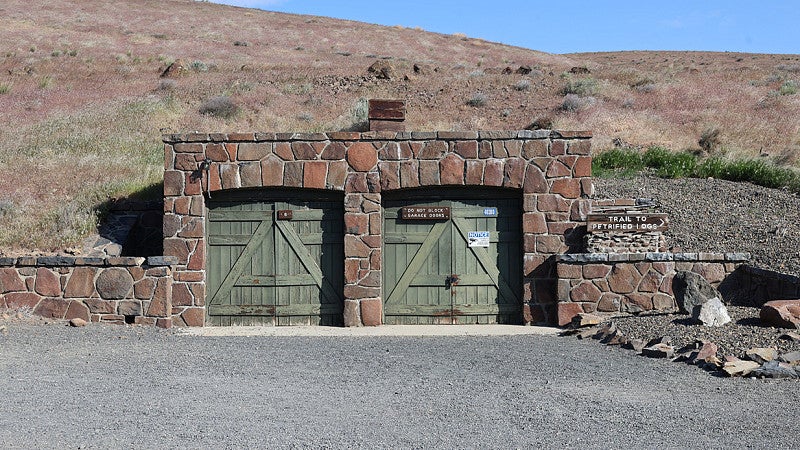
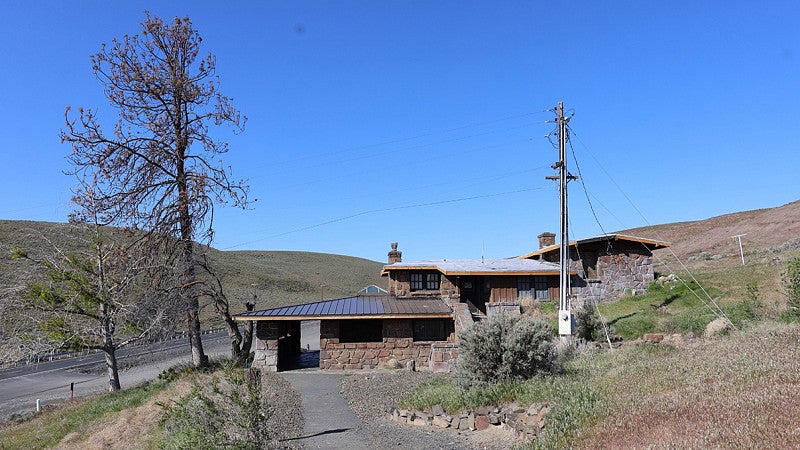
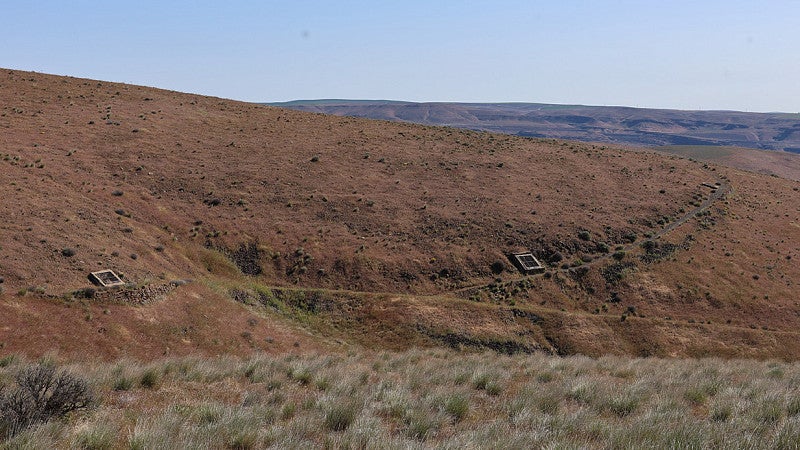
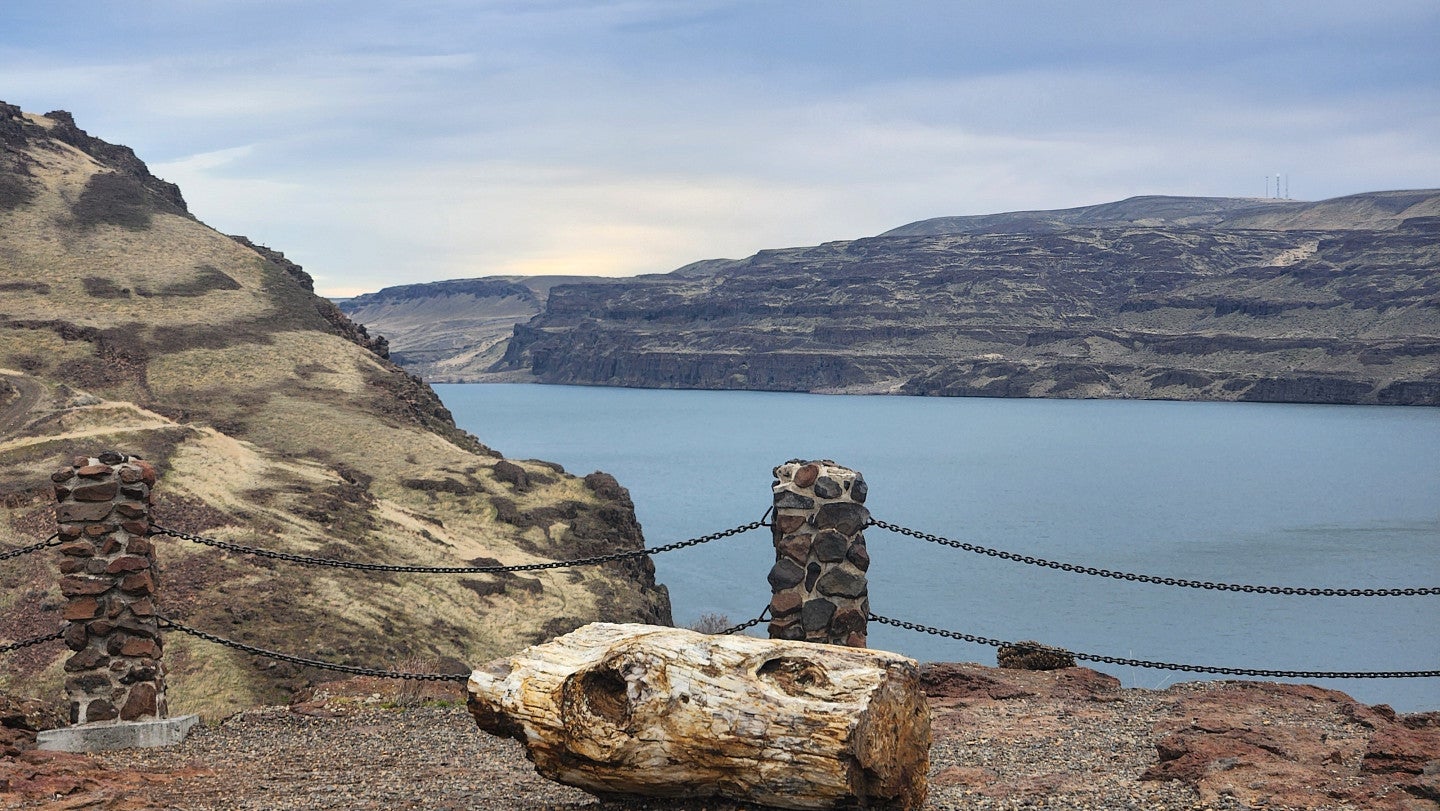
Located near the interpretive trails and geological wonders of Ginkgo Petrified Forest State Park in Washington, the 2026 Field School will connect preservation craft and practice with the rich natural and cultural history of the site. Ginkgo Petrified Forest is a National Natural Landmark with exposed petrified wood, interpretive trails, and museum exhibits documenting ancient forest ecosystems and Indigenous histories of the Columbia River region. Field School hands-on work will take place at the Trailside Museum, an associated garage, and trailside exhibits protecting fallen petrified logs.
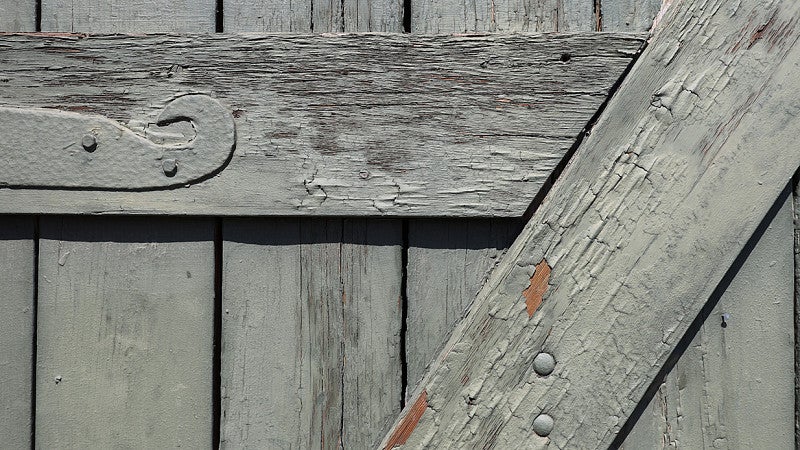
Over three week-long sessions, participants will gain practical experience in essential preservation skills—assessment, documentation, craft techniques, field analysis, and decision-making frameworks—through structured workshops, site visits, and collaborative field projects. Sessions will integrate hands-on work with interpretive learning and professional discourse, building confidence and capability in both technical and contextual aspects of preservation. Hands-on work to include masonry, wood window reconstruction and repair, and wood door repair.
Training at PNWFS emphasizes learning by doing: understanding materials and assemblies in situ, evaluating conditions, recording interventions clearly, and situating practice within broader environmental, cultural, and historical contexts. The program welcomes a diversity of participants including those with formal preservation training, emerging professionals, and individuals seeking practical experience.
The 2026 Field School includes three sessions, covering key preservation topics and methods, supplementary lectures, and field excursions. Tuition covers instruction, workshops, site tours, meals, and modest lodging. Participants may also elect to earn academic or continuing education credits. Details on session dates, curriculum focus, application instructions, and travel information will be announced soon. Learn more and apply below.
Applications close on August 16, 2026.
Program Structure
PNWFS 2026 is organized into three one-week sessions. Participants may enroll in one or more sessions depending on interest and availability. Each session focuses on a specific set of preservation skills and methods, while sharing a consistent daily rhythm and learning framework.
Sessions
Session 1 – Materials Intensive: Masonry and Wood
August 30 – September 4
- Alan Ash will lead the masonry instruction focusing on assessment, repair, and stabilization of existing stone exhibit enclosures and related site elements.
- Al Williams will lead the woodwork instruction, including reconstruction and repair of wood windows and restoration of large garage doors.
- Carin Carlson will lead the late-week workshop on paint condition assessment and analysis.
Session 2 – Materials Intensive: Masonry and Wood
September 6 – September 11
- Alan Ash will continue to lead the stone preservation work addressing repair, rebuilding, and stabilization of selected exhibit enclosures.
- Al Williams will lead continued woodwork on garage doors and historic residential windows.
- Becky Wong will lead the late-week workshop on condition assessment and treatment prioritization.
Session 3 – Preservation Primer: Metal and Wood
September 13 – September 18
- Al Williams will lead continued woodwork, finishing and reinstallation of garage doors and historic residential windows.
- Wayne Lewis will lead metal restoration, focusing on repair and fabrication work for the garage door hinges and related hardware.
- Corinna Welzenbach will introduce cultural landscape concepts and documentation techniques in relation to the Olmstead Place Historical State Park in Kittitas County, Washington.
Schedule
Field School typically starts on Sunday with dinner and orientation. While activities vary by session, a typical Field School day follows a consistent structure to balance hands-on work, instruction, and reflection. Participants should be prepared for an intensive program with long work days:
Breakfast (7 - 8 am)
Morning (8 - 12 pm)
- Site orientation or tool/material briefing
- Hands-on preservation craft or condition assessment activities
Lunch (12 -1 pm)
Afternoon (1 - 4 pm)
- Continued hands-on preservation craft, documentation, or supervised practice.
Afternoon Break (4 - 6 pm)
Dinner (6 - 7 pm)
Evening (7 - 8 pm)
- Guest lecture
- Independent documentation or journaling (optional)
Rest days, local tours, and site visits are incorporated throughout each session.
What’s Included
- Instruction by experienced preservation professionals
- Hands-on fieldwork and guided exercises
- Lectures, demonstrations, and site tours
- Meals and modest lodging during each session
- Local transportation during Field School activities
Academic credit and continuing education options will be announced with session details.
Learn More About Past Field Schools
To better understand the structure, schedule, and depth of the Field School, please review material from the previous year:
These materials are provided for reference only; the 2026 curriculum will be tailored to the Ginkgo Petrified Forest State Park site.
Financial Assistance
The John Platz Scholarship covers the tuition for one field school session and a $100 travel allowance. This scholarship is awarded to an individual pursuing professional training in historic preservation and is open to all Field School participants. The scholarship application closed June 1 and the recipient will be notified on June 15.
John Platz was one of the co-founders of the Pacific Northwest Field School when it began in 1995. As leader of the U.S. Forest Service preservation team at Mt. Hood, his work included log construction and preservation at Timberline Lodge and other historic sites. He brought exceptional skill in wood construction and preservation of historic materials to the Field School for more than twenty years and was greatly admired by students for both his knowledge and patient teaching of craft. He passed away in 2021. This award was established and is generously supported by Field School founding faculty member Don Peting.
Undergraduate and graduate students may be able to use their financial aid package to attend Field School. Participants should contact the University of Oregon Financial Aid Office to learn more about available options:
https://financialaid.uoregon.edu/
Contact: pnwfs@uoregon.edu
Accommodations and Tuition
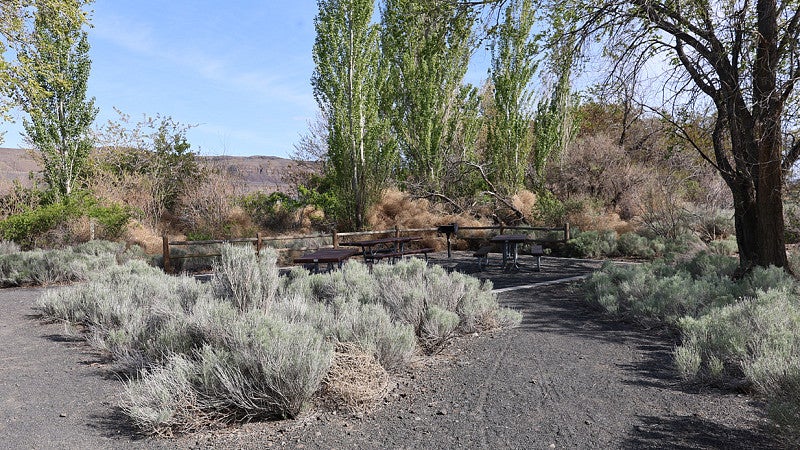
Tuition includes all meals, primitive lodging, and local transportation during each session. Participants are expected to bring their own camping gear. The Field School maintains a limited number of tents that may be reserved by contacting the program. Participants may stay off-site at their own expense.
Participants may also register for academic credit through the University of Oregon (open to students from all institutions). AIA continuing education credits are available upon advance request.
- Individual Session Tuition (no credits): $900
- Individual Session + 2 Undergraduate Credits: $1,150
- Individual Session + 2 Graduate Credits: $1,1250
Travel
Meeting location for folks driving to site – click here.
If you are flying into the Seattle-Tacoma International Airport and would like transportation to the Field School site, please get in touch with us. Due to the proximity to the site, we can only offer pick-ups and drop-offs at specific times and days, please plan your air travel accordingly. You must let us know in advance if you are flying and would like to take advantage of the shuttle service. Exact pick-up location details will be provided closer to the program start.
Pick-up: Shuttle departs from Sea-Tac at 3pm Sunday 8/30, 9/6, 9/13
Drop-off: Shuttle arrives at Sea-Tac at 10am Saturday 9/5, 9,12, 9/19
Partners
The Pacific Northwest Field School has been a partnership among multiple agencies for more than 25 years. Current partners include:
- University of Oregon
- National Park Service
- Idaho State Historical Society
- Idaho State Parks & Recreation
- Oregon Parks & Recreation Department
- Oregon State Historic Preservation Office
- Washington State Department of Archaeology & Historic Preservation
- Washington State Parks & Recreation Commission
Contact Us
Email us with any questions or concerns: pnwfs@uoregon.edu


This program receives federal funds for the identification and protection of historic properties. Under Title VI of the Civil Rights Act of 1964 and Section 504 of the Rehabilitation Act of 1973, the U.S. Department of the Interior prohibits discrimination on the basis of race, color, national origin, age, or handicap in its federally assisted programs. If you believe you have been discriminated against in any program, activity, or facility as described above, or if you desire further information, please write to: Chief, Office of Equal Opportunity Programs, United States Department of the Interior, National Park Service, 1849 C Street, NW, MS-2740, Washington, D.C. 20240.
This publication has been funded in part with federal funds from the National Park Service, Department of the Interior. However, the contents and opinions do not necessarily reflect the views or policies of the Department of the Interior.